

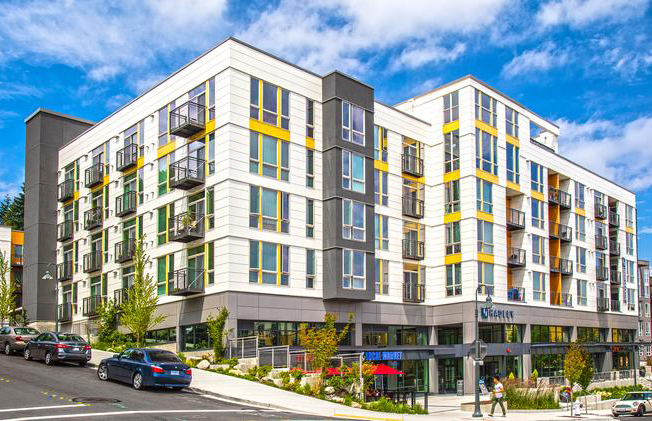
When investors evaluate a new opportunity, the term sheet is often viewed as the checkpoint for moving forward. Yet, a term sheet is more than a formality it is the blueprint for your potential return, risk exposure, and long-term success. For those navigating commercial real estate deals, understanding the financial metrics behind a project is critical. At Steelhead Real Estate Partners, we emphasize that insightful investors demand clarity on key performance indicators before committing capital.
Table of Contents
- Introduction: The Importance of Financial Metrics in Real Estate Deals
- Net Operating Income and Growth Potential
- Capitalization Rate and Implied Exit Value
- Leverage Ratio and Debt Service Coverage Ratio
- Internal Rate of Return and Multiple on Invested Capital
- Capital Expenditure Requirements and Timing
- Why These Metrics Matter
- Final Thought
- FAQs
Net Operating Income (NOI) and Growth Potential
Net Operating Income (NOI) is the foundation of any property valuation. It represents the revenue remaining after operating expenses but before debt service and taxes. A property may appear attractive on paper, but if NOI is stagnant or declining, returns are at risk. For real estate private equity investors, assessing both current NOI and potential growth opportunities is crucial. Steelhead Real Estate Partners works to identify ways to enhance NOI through operational improvements, lease adjustments, or repositioning strategies, ensuring the property aligns with long-term goals.
Capitalization Rate and Implied Exit Value
The capitalization rate, or cap rate, is the ratio between a property’s NOI and its current market value. It gives investors insight into risk and expected returns at exit. A term sheet should clearly outline the cap rate assumptions and implied exit value. Investors who overlook these numbers may overpay or misjudge performance potential. By analyzing local market trends and comparable sales, Steelhead ensures that cap rate projections are realistic, helping clients avoid pitfalls and make informed investment decisions.
Leverage Ratio and Debt Service Coverage Ratio
Advantage amplifies returns but also increases risk. Two critical metrics Loan-to-Value (LTV) and Debt Service Coverage Ratio (DSCR) determine a property’s financial resilience. A DSCR above 1.25x is generally considered healthy, indicating the property can cover its debt obligations comfortably. In many underperforming assets, recapitalization or restructuring may be required to optimize leverage. Steelhead Real Estate Partners, acting as a trusted real estate investment advisory firm, guides investors in understanding how debt structures influence long-term returns and stability.
Internal Rate of Return (IRR) and Multiple on Invested Capital (MOIC)
IRR and MOIC are standard metrics for evaluating investment performance. IRR provides a time-weighted rate of return, while MOIC measures total return on invested capital. These numbers only matter if the underlying assumptions are credible. Rent growth, vacancy trends, and capital expenditure forecasts must be realistic. At Steelhead Real Estate Partners, every term sheet is stress-tested under multiple scenarios to ensure IRR and MOIC projections are achievable. This level of scrutiny is essential for real estate private equity investors looking for predictable performance and minimal surprises.
Capital Expenditure (CapEx) Requirements and Timing
CapEx requirements often determine whether a property is a high-performing asset or a liability. Deferred maintenance, building system upgrades, and tenant improvements can significantly impact returns. A transparent term sheet should detail the expected CapEx schedule, costs, and responsible parties. Steelhead emphasizes a disciplined approach, ensuring investors know exactly what resources are required to maintain and improve the asset, especially in repositioning or recapitalization scenarios. This proactive planning safeguards returns and prevents unforeseen financial strain.
Why These Metrics Matter
Focusing on these five financial metrics, NOI growth, cap rate/exit value, advantage and DSCR, IRR/MOIC, and CapEx requirements, gives investors the clarity they need to move forward confidently. Many investments underperform not due to flawed assets, but due to overlooked financial assumptions. For real estate private equity, disciplined analysis ensures informed decisions that balance opportunity with risk.
Steelhead Real Estate Partners, as a trusted real estate investment advisory firm, brings decades of experience in acquisitions, development, leasing, and recapitalization. Our methodology combines market research, financial analysis, and operational insight, helping investors unlock value while preserving capital. Whether navigating multifamily, retail, or mixed-use assets, these financial metrics serve as the foundation for smart decision-making.
Final Thought
A term sheet is not just a document; it’s a roadmap for your investment journey. Without a rigorous understanding of these metrics, investors risk entering deals with blind spots. By demanding transparency on NOI, cap rates, leverage, returns, and CapEx, real estate private equity investors can confidently move forward with structured, profitable investments.
Collaborating with Steelhead Real Estate Partners ensures that every term sheet is analyzed in depth, assumptions are stress-tested, and investment decisions are grounded in reality. The firm’s expertise as a real estate investment advisory firm allows investors to make informed choices, maximize returns, and reduce risk exposure. Before you sign, make sure these five metrics are clear; your portfolio’s success depends on it.
FAQs
Q1: What is the significance of NOI in real estate investment?
A1: NOI represents the revenue remaining after operating expenses but before debt and taxes, indicating property profitability.
Q2: How does Cap Rate influence investment decisions?
A2: Cap Rate reflects risk and return potential. Higher cap rates often indicate higher risk, while lower rates suggest stability.
Q3: What is the DSCR and why is it important?
A3: Debt Service Coverage Ratio measures a property’s ability to cover debt obligations. DSCR above 1.25x indicates financial health.
Q4: Why should investors examine IRR and MOIC before committing capital?
A4: IRR and MOIC predict investment performance over time, helping investors gauge potential returns and risk-adjusted outcomes.
Q5: How do CapEx requirements affect long-term property performance?
A5: Capital expenditures are critical for maintaining and enhancing asset value. Unplanned CapEx can reduce cash flow and returns.
Q6: Can recapitalization improve underperforming properties?
A6: Yes, recapitalization restructures debt or adds equity to unlock hidden value, improving long-term returns and property stability.